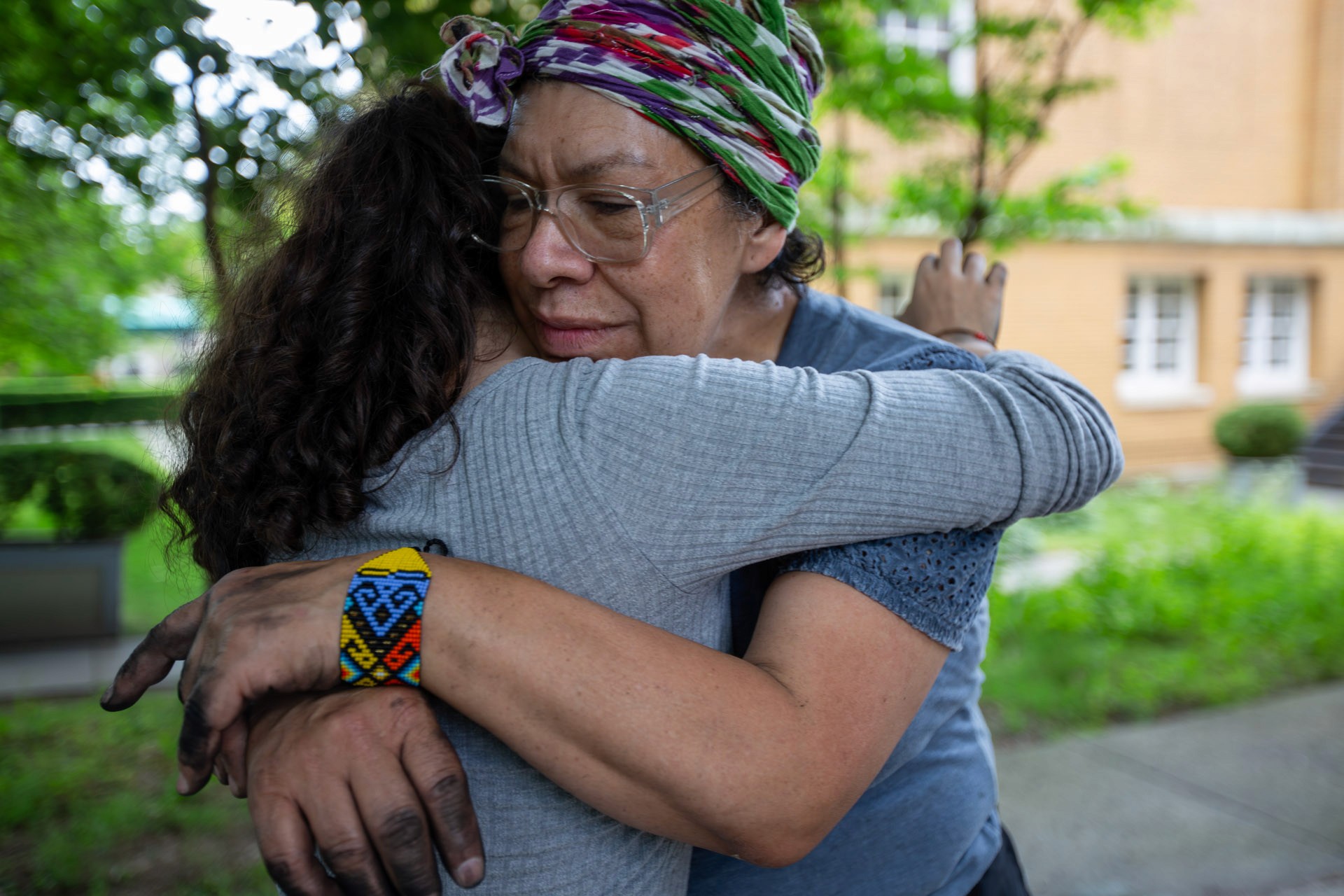
Plants have always been our companions. They illuminate other ways of living in the world, offering us the chance to connect with our roots and, at the same time, feel more grounded in the present. They connect us to ourselves.
The objects presented in this room are the result of an invitation: to approach the garden at Snug Harbor and build a different kind of relationship with the plants and fungi that inhabit this place. This exercise was developed as part of the workshop series "Weaving Ourselves into the Land," facilitated by Tatiana Arocha, Eliana Hernández, Jimena Vega, and the collective Ginger Blonde, between April and June 2025.
Relating to plants in a different way meant breaking the usual distance we tend to keep from the vegetal world—especially in a protected space like a botanical garden—and engaging with them through play, exploration, and creativity. To reconnect with plants and understand their many languages, we also had to learn to look at them differently, approaching them with all our senses. These workshops provided us with the opportunity to shed our assumptions about art and writing, including what is considered beautiful and who can be an artist. We had to allow ourselves to make mistakes—and by giving ourselves the freedom to remain in that space of trial and error, without judgment, something new could emerge. Both participants and facilitators permitted ourselves to play like children again.
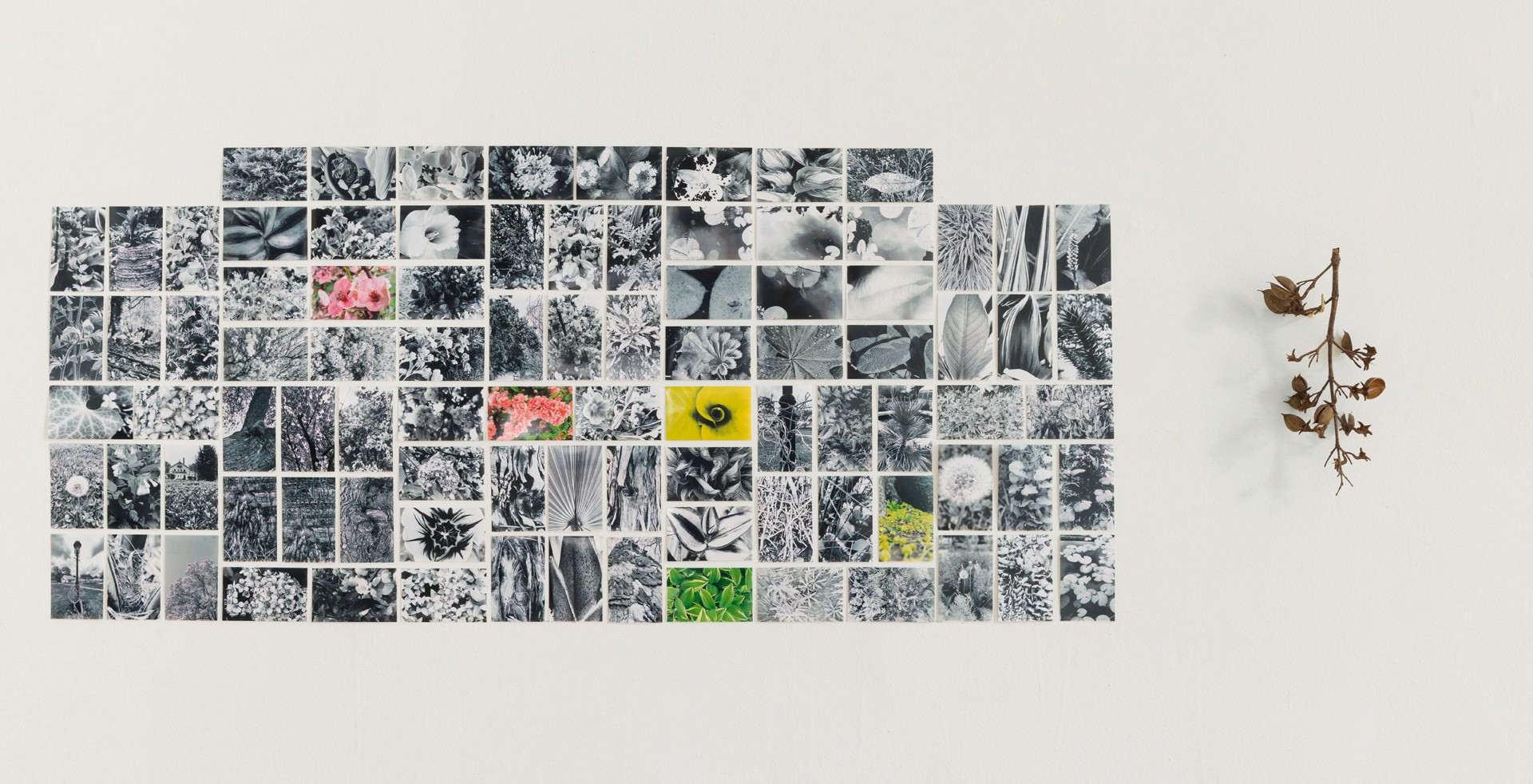
The visual archive on display documents a collective exploration of Snug Harbor’s garden through exercises in photography, frottage, monotype, writing, and drawing using pigments made from mambe. Beyond the outcomes themselves, the workshops were, above all, a space to comadrear—to gather, share stories, and build connections among the thirteen women who took part: Elizabeth Castañeda, Aluna Martínez, Catalina León, María Hilda Díaz, Nancy López, Alejandra García, Jimena Vega, Jessica Simbana, Lourdes Zambrano, Zaraith Hernández, Digna María Santos, Diana Bermúdez, and Severina Gregorio. They also gave us an opportunity to reconnect with the knowledge passed down by our grandparents—and especially our grandmothers—about, and through, the plants. More than companions, plants, as activators of memory, have the power to transport us: to take us back to childhood, to the place that was once our home, and to reconnect us—through memory—with the people we love.
The workshops created a space of care among women, away from our daily responsibilities, where our stories could be heard and resonate with those of other compañeras. We are living in a time when the migrant community—especially women—need more than ever to feel safe and accompanied. These exercises also stand as testimony to what we can achieve when we are fully present and when we move beyond being mere observers to become active members of the community we can build with plants. In cultivating intimacy with them, we also begin to encounter our own inner life.
Spaces like these remind us that women can do anything we set our minds to—and that it’s also fun to dare to try new things. Alongside the plants, we remember where we come from, and we realize that we can find and recognize ourselves in this country that we, too, belong to. We have put down roots here and in this garden.
– Tatiana Arocha y Eliana Hernández Pachón


Workshop Session 1: Creando vinculos a traves del lente
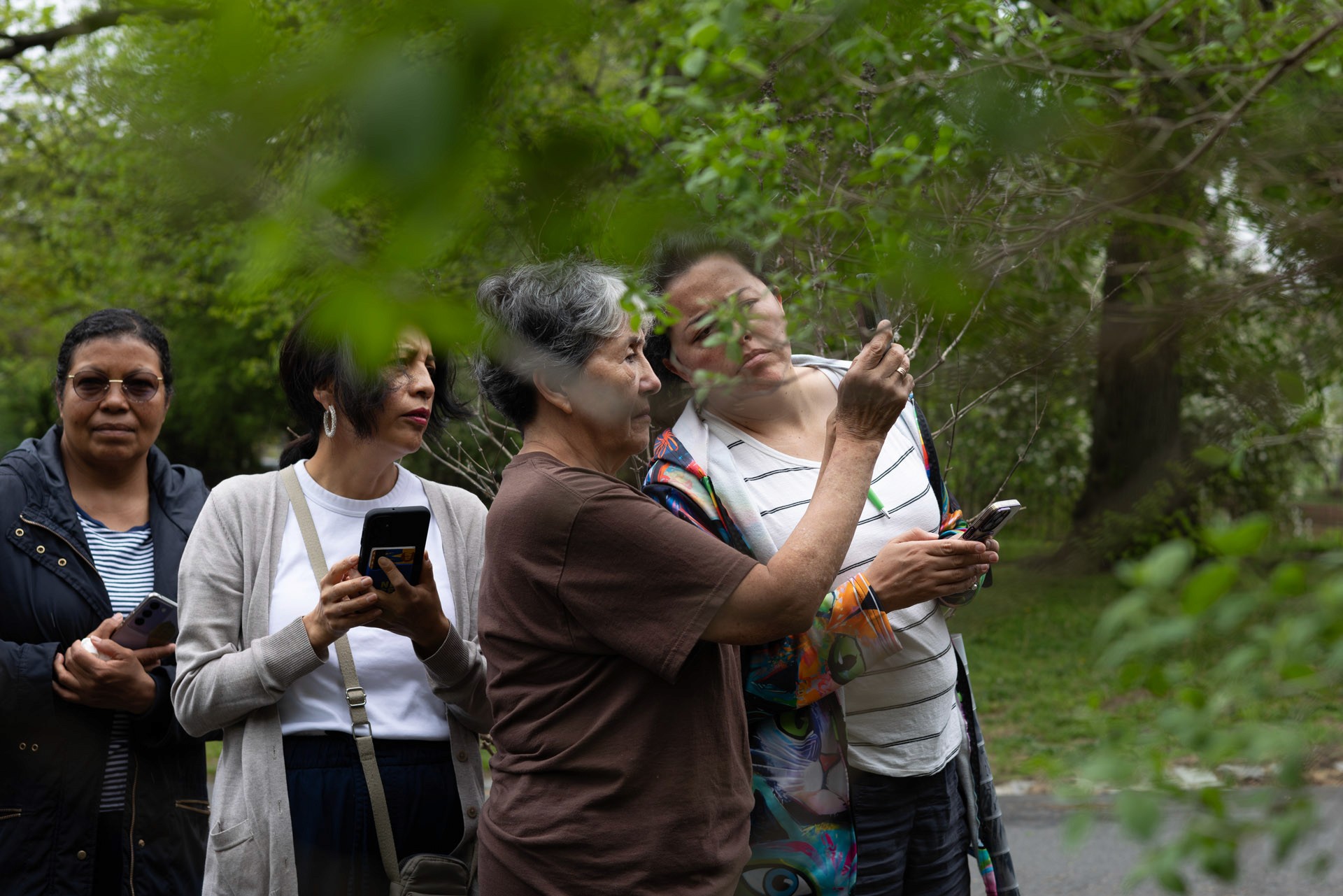
We arrived as strangers. Before anyone lifted a camera, we walked the grounds together, letting ourselves be slowed down by everything that was just beginning to bloom. The lens became an excuse to linger, a way to frame not only a flower but its neighbors, its light, the ground holding it up. We were learning to look, and in looking together at the same small things, we began to know one another.



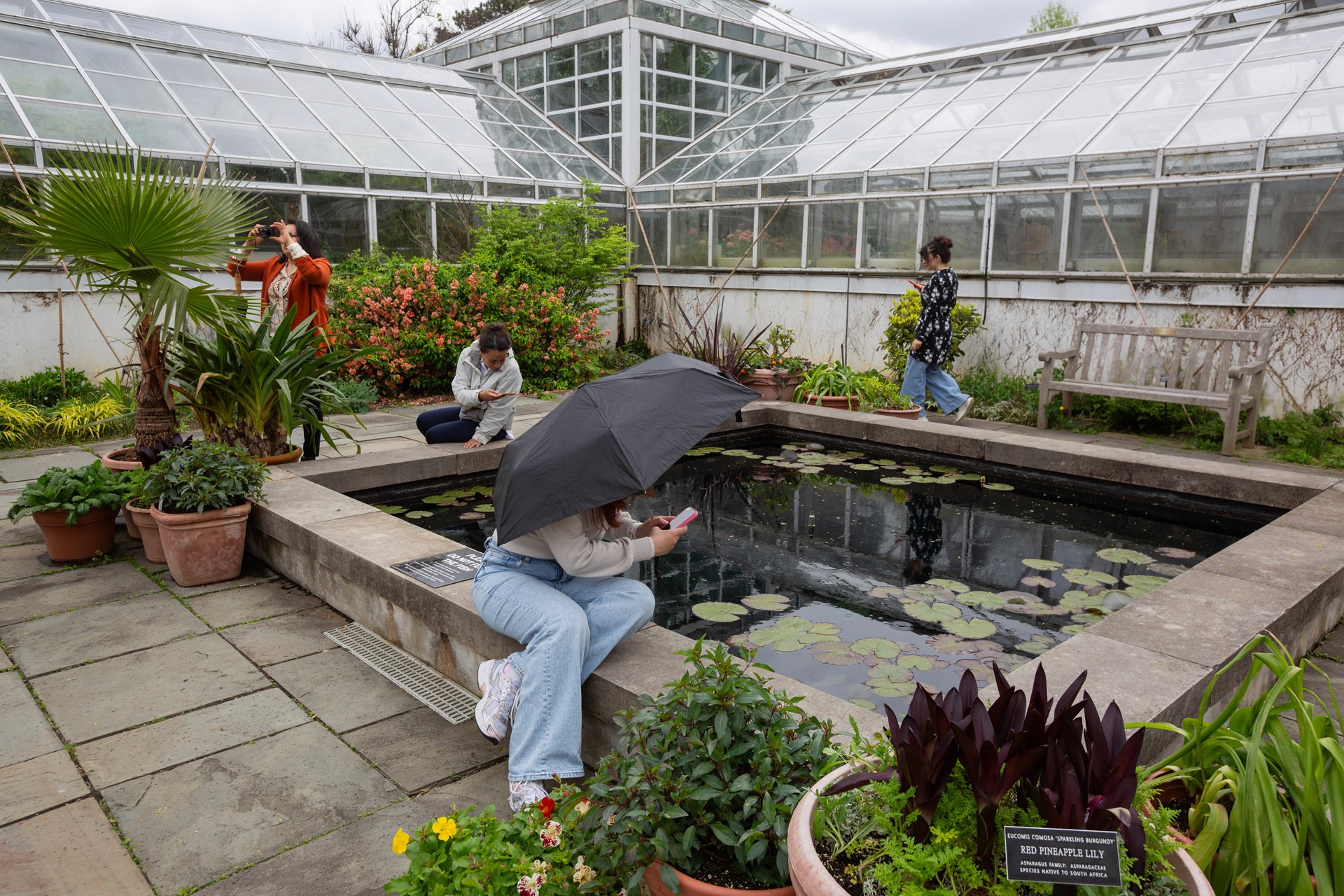


Workshop Session 2: Fluyendo en el espacio con Ginger Blonde
With Ginger Blonde, we made room for chance. Mambe became our paint, and branches and leaves became our brushes, so that whatever we made was already made of this place. We pressed and mixed and stained, letting color and texture arrive on their own terms rather than the ones we had planned. Nothing had to turn out well. That permission to try, to spill, to begin again was the point, and it returned us to a kind of play we had not allowed ourselves in years.


Workshop Session 3: Yo, como el romero — taller de botánica y escritura personal con Eliana Hernández Pachón
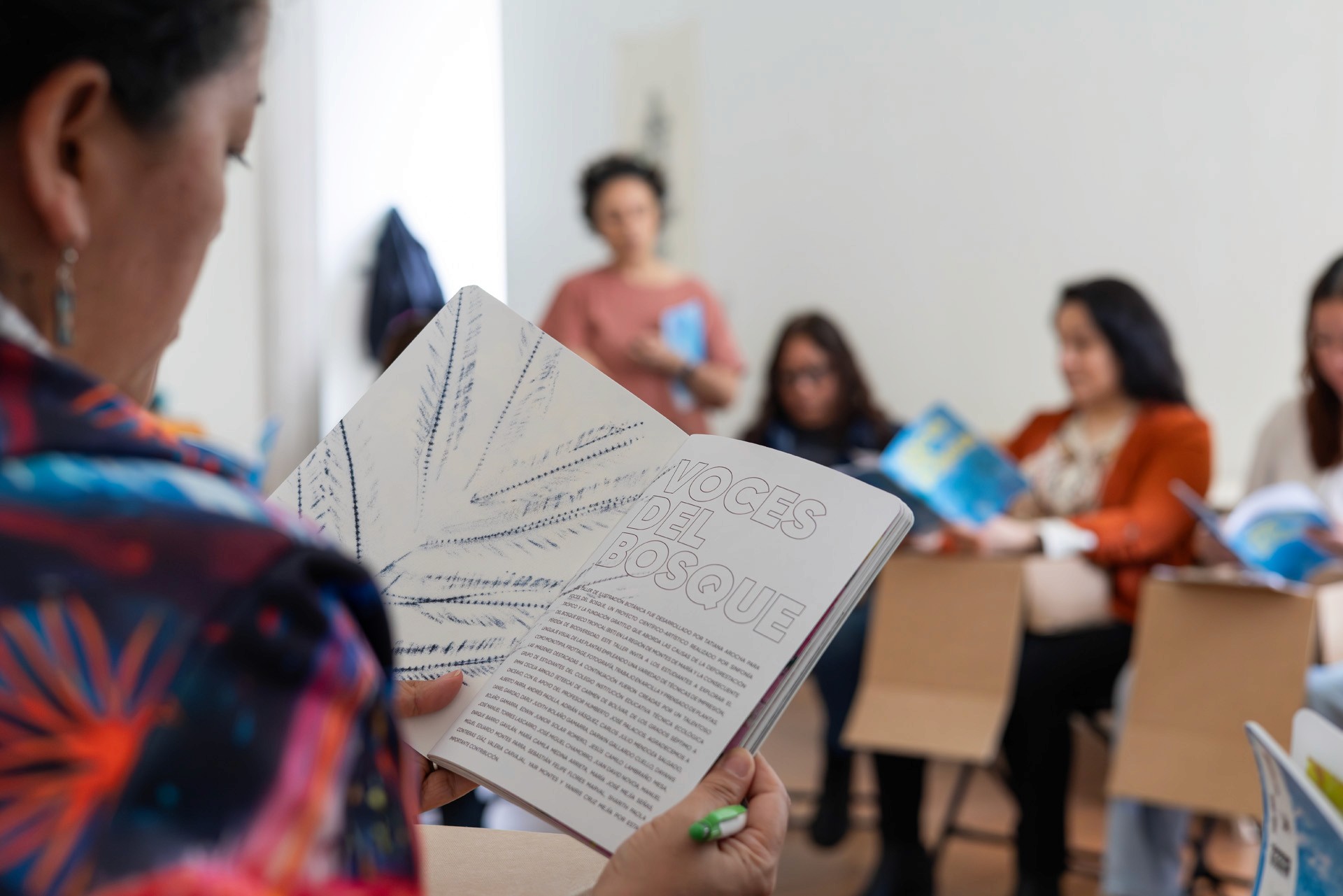
With Eliana, we wrote. Together we went looking for the plants already living inside our own stories. A grandmother's remedy, a patio left behind, a scent that opens a door to childhood. We read to each other, and one woman's memory would call up another's. Rosemary is for remembering. Sitting in that circle, we found that the plants had been keeping our memories all along, waiting for us to ask.
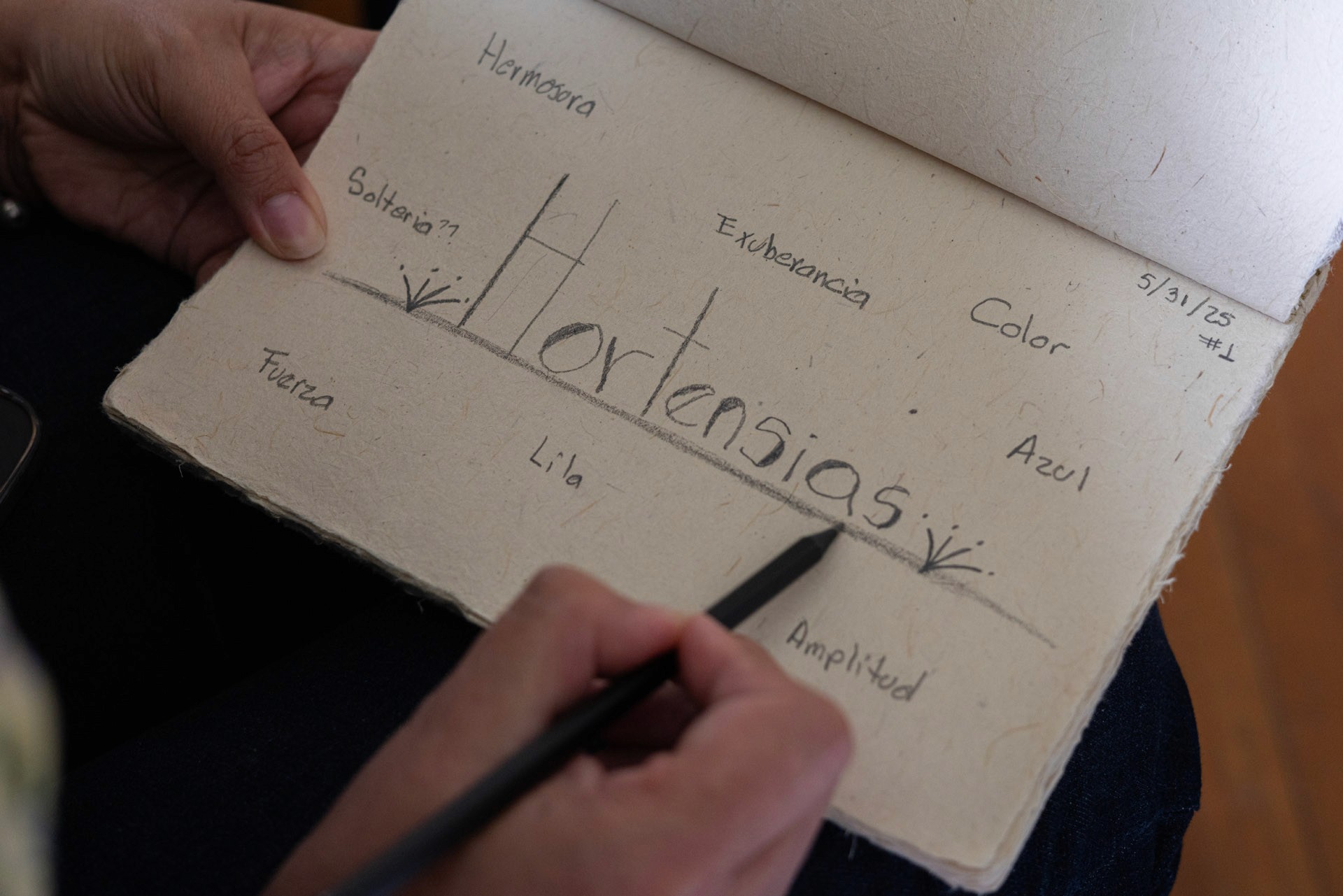


Workshop Session 4: Observando las narrativas terrestres
Here we put our hands on things. We pressed leaves into clay, rubbed their textures onto paper, laid plants down flat and let them leave what they wanted to leave. It meant closing the distance we usually keep from the vegetal world, especially in a garden made to be admired from a path. What we carried away were not images of plants but traces of having touched them, and of being touched back.


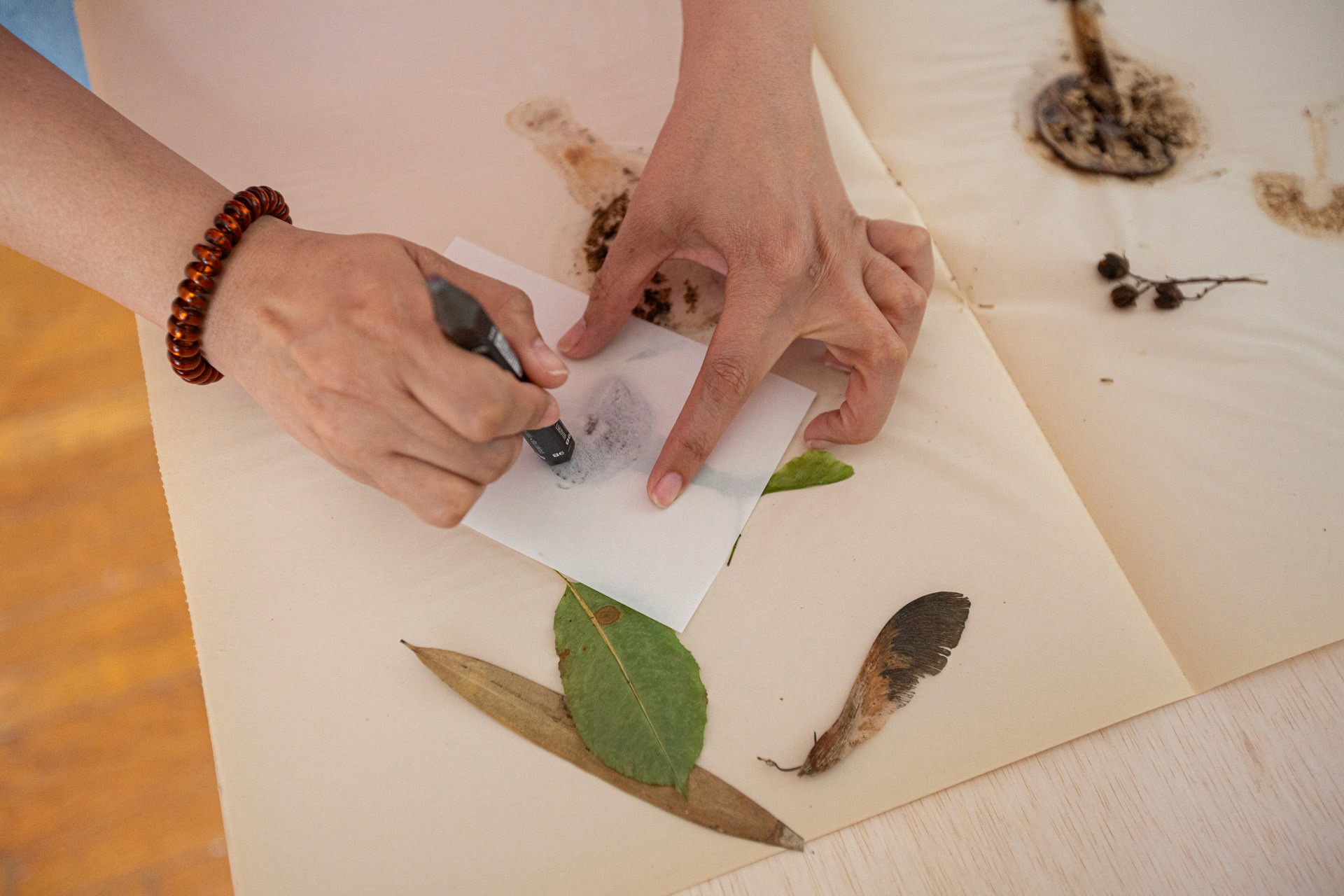


Workshop Session 5: El poder de las plantas — Abrazando la tierra
In our last gathering we returned to the plants that had accompanied us all season, printing their forms and textures onto paper. Jimena Vega, who had been with us as a participant from the beginning, co-taught this session, so the teaching came from inside the circle rather than from outside it. Guided by the biodiversity around us, we worked with shapes that hold their own intelligence. What we printed was a record of relationship, proof that we had stopped being visitors to this garden and had, over these weeks, put down roots in it.